
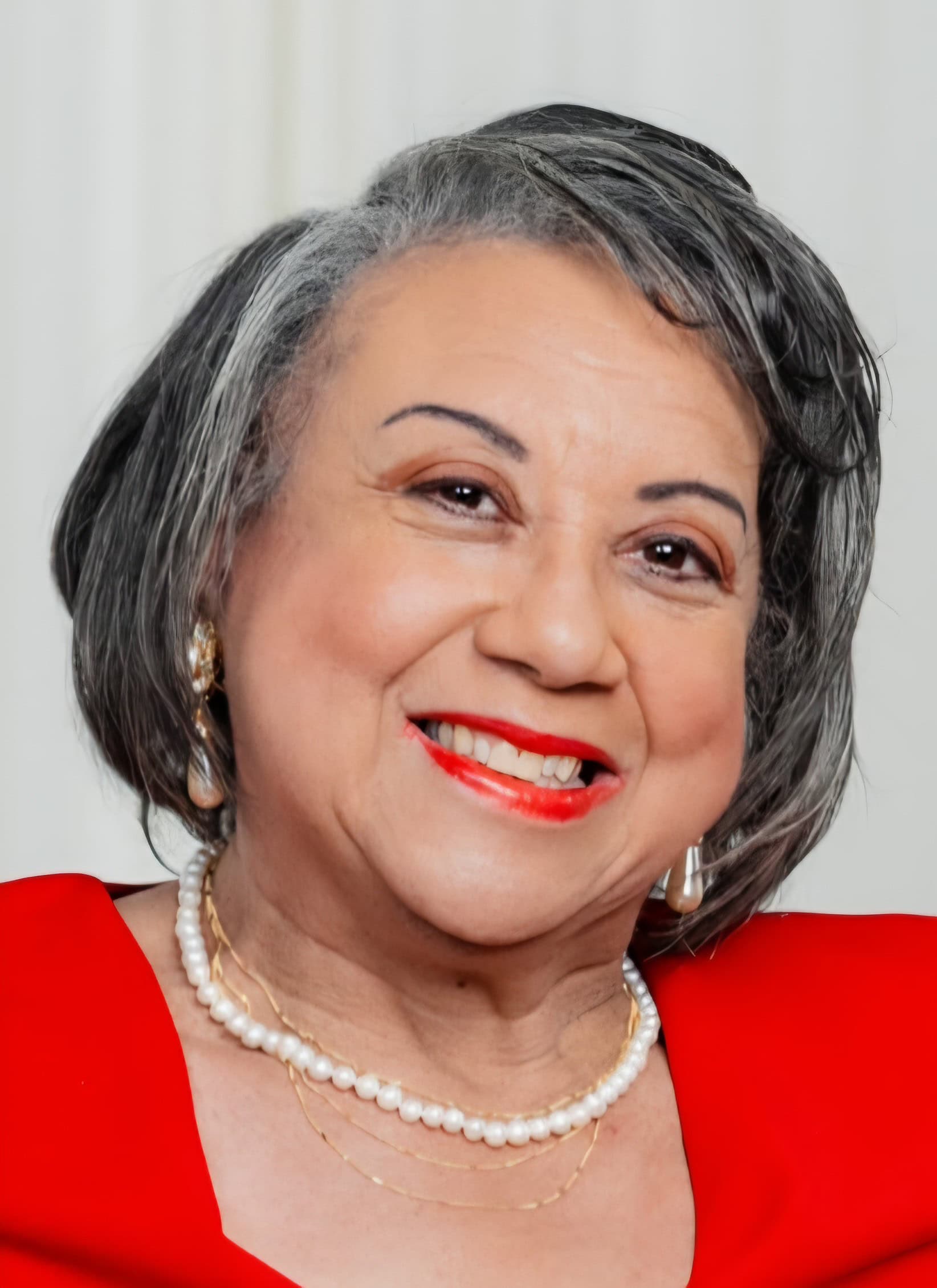
HR first became a possible career path for Janice Pitts while attending Northwestern High School in Flint, Mich.
“My curiosity about a career in human resources began when I worked as a high school intern in a private sector human resources department,” says Janice Pitts, who is now retired after a 36-year career in human resources.
Indeed, Pitts landed an internship with AC Spark Plug, a division of General Motors Co., where she served as a receptionist, maintained files and learned a lot about HR processes.
Pitts quickly realized that she enjoyed working with people while learning the ins and outs of the HR function. She continued her work in the private sector for nine years, working with organizations including General Motors, as a customer service clerk with K-Mart, as a personnel clerk with Dean-Witter Reynolds, and as a an automotive assembler with Buick.
But her experience as an HR intern stuck with her.
“I knew that I wanted to someday return to the human resources field,” she says.
Pitts’ grandfather served in local government for more than 30 years as a sanitation worker, but Pitts says she “discovered” the public sector for herself in 1987.
She secured a customer service position in the City of Phoenix-Water Services Department, “just to get my foot in the door to explore other opportunities.”
That customer service role turned out to be Pitts’ first step toward the public sector HR department. After a bit of an initial stumble, that is.
“I failed my first test for a human resources position,” she says, “but that did not stop me as I continued to apply for every human resource position that was advertised.”
That persistence paid dividends, as she ultimately landed an HR role as a personnel clerk in 1988 with the City of Phoenix, in the personnel department (which changed its name to human resources as the field evolved).
“The City of Phoenix is a great employer that served the citizens well, so I made up my mind that this is where I could learn human resources, grow in human resources and make a difference in the public sector,” says Pitts.
“I worked in multiple levels of human resources, from entry-level to middle management, and in various areas—recruitment/employment, records/placement and employee relations, for instance—before retiring after 36 years of public sector service.”
In that span, Pitts held positions including personnel clerk, personnel aide, personnel analyst 1/11, human resources supervisor and deputy human resources director.
“Serving in the public sector by working with departmental staff and interacting with the public through employment events while serving in the employment services division were rewarding parts of my human resources career that I will always treasure.”
PSHRA has been part of Pitts’ career in public service since the late 1990s, and she has been a member for more than 20 years. Earning her PSHRA-SCP designation in 2005, Pitts originally joined PSHRA “because the organization provided up-to-date trainings, seminars, resources, and lunch sessions on valuable human resources trends,” she says.
“I could always count on obtaining the most current practices and law updates on human resources areas from the organization,” adds Pitts, who says she might pursue HR consulting or starting a non-profit focused on employment preparedness in the future.
“The conferences had excellent presenters and content, and there were opportunities to network with other human resources professionals from other agencies. The opportunities for human resources professionals to share ideas and experiences was invaluable.”
13 November 2026
Category
Stories of Impact


