
January 2021
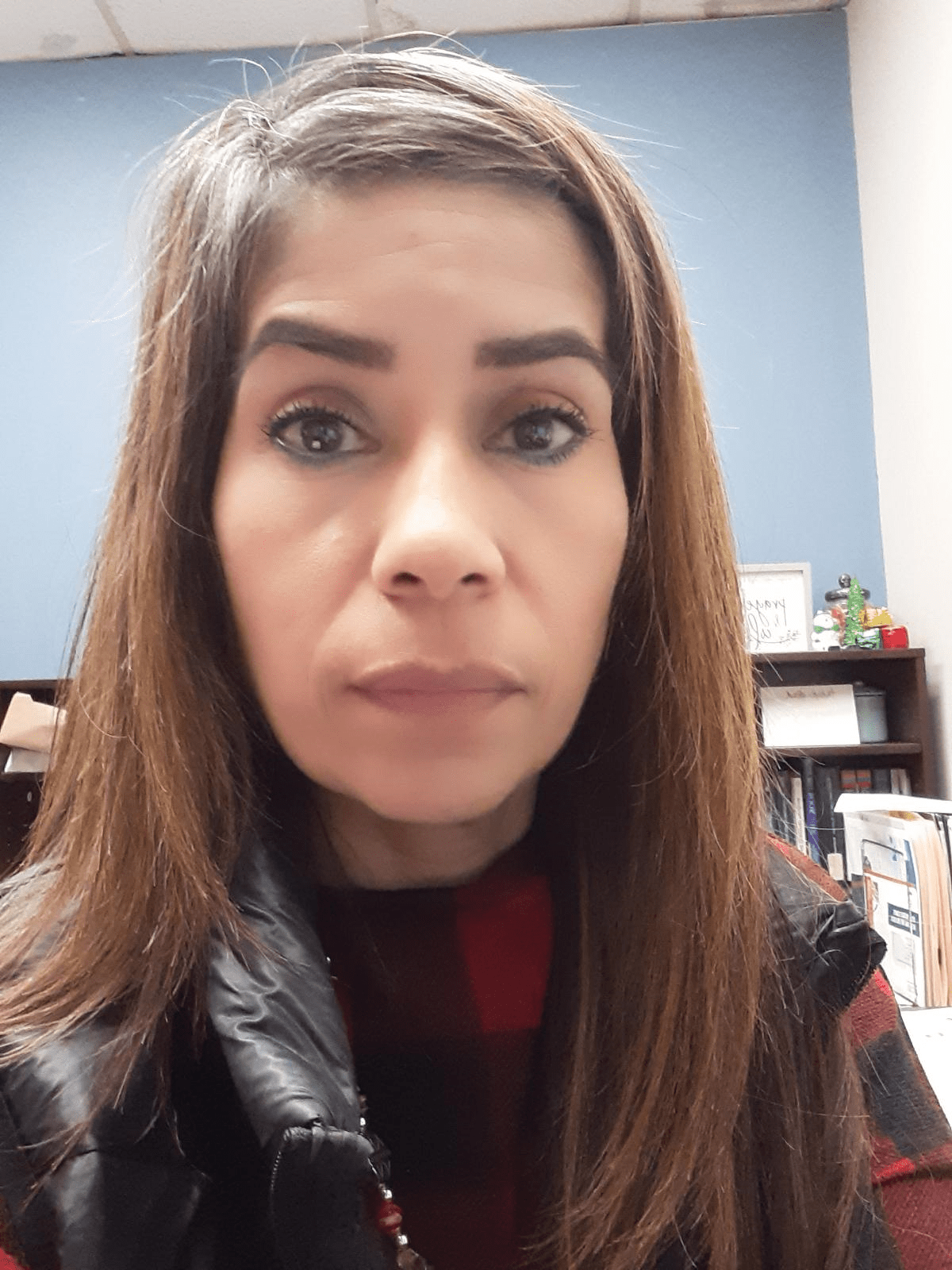
IPMA-HR would be nothing without its members. You are why we do anything. But how much do we really know about what you do each day? How much do you know about your peers?
Starting this month, we share interviews with members who work in different settings across the public sector. Hernandez answered questions via email. The following has been edited lightly for style and length.
www.beevilletx.org
Describe a typical day at work. What can make a day at work not at all typical?
I arrive at work 15-20 minutes early so I can start the coffee and prepare for my workday. A typical workday consists of checking my emails/calendar, voicemail and messages, as well as attending meetings that could be scheduled at the last minute.
My priority after checking email and voicemail is to complete tasks from the previous day. My door is always open, so employees and vendors drop in from time to time with a variety of questions or just to grab a piece of candy and say good morning. This [December], I am trying to get on-site training scheduled, but the pandemic is not making it easy. I’m also revising our employee handbook in hopes of getting it adopted in early January. We are also recruiting to fill a few vacancies.
This time of the year, I am busy with open enrollment, closing out the year and completing the ACA report. In addition to open enrollment, we are launching a wellness program and I’ve been working closely with our broker to get that project started.
There are interruptions throughout the day, and the pandemic has changed how we interact with coworkers, vendors, internal and external customers, and citizens. I am more observant of my proximity to others and of giving others their space. I rely more technology. Other than that, it’s just another typical workday.
Overall, what do you consider to be the biggest benefits of working in public sector HR?
Working in the public sector provides employees the opportunity to balance work and life by providing generous paid time off, paid holidays and teleworking. At times, we need to do more with less, but we manage.
I truly believe this makes us better as a team, working off each other’s strengths to get the job done. We are one team whose members happen to work in different departments to provide service to our community. I’m very lucky to work with a team that steps up when called upon. I love my team/work family.
What has been one of your biggest professional successes?
My biggest professional accomplishment was graduating with a master’s degree in organizational leadership and a concentration in human resources from Baker University in Baldwin City, Kans. I also have a membership with the Texas Municipal Human Resources Association, SHRM and, last but not least, IPMA-HR. Being an HR department of one, I am blessed to have these resources and great friends in the same profession that I can reach out to when I need assistance.
When and why did you decide to pursue a career in public sector HR?
To be honest, I wasn’t looking to be the HR manager for the city because the position didn’t exist. Early in my career, I was assigned a few of the HR responsibilities, Then, in 2015, Jack Hamlett, the city manager at the time, decided we needed an HR manager and offered me the position, which I gladly accepted.
I love my profession and being in a servant leader role where I can be of service to my coworkers and the community I live in. Having the serve-first mindset aligns with who I am and my purpose, Plus, it makes my job easier since my primary focus is the development and well-being of our employees. Human capital is the most important factor. If you don’t take care of them, they will seek employment elsewhere, taking their skills and talents with them.
You are particularly active in IPMA-HR’s Engage community. What role do you see cultivating an online network of colleagues playing in your day-to-day HR practice and your professional development?
Being an HR department of one, networking is an essential tool with infinite resources. I love to network with my colleagues, not just professionally but to reach out and say hi and check on my friends and family.
Networking has helped me develop my skills without having to reinvent the wheel. I use it bounce ideas, grow in my profession, trade information and learn from others. It also promotes long-term relationships and mutual trust.
What is the best advice you have ever received?
“Prioritize.” Don’t kill yourself trying to get everything done in an 8-hour workday because it’s never going to happen. The work will still be here tomorrow. Plus, the world will not end if the work doesn’t get done.
Other words to live by are “Don’t be so hard on yourself. Shake it off, stop obsessing over it and move on.” It’s human nature to strive for perfection, but demanding perfection is unfeasible since we all make mistakes. And, after all, mistakes are simply opportunities to learn and grow.
Last, what is one item you cannot live without? Why?
It would have to be my cell phone. I remember an old commercial jingle: “Reach out, reach out and touch someone.” It still rings true today.
The COVID-19 pandemic has definitely changed life as we know it. We’ve gone from touchy-feely huggers craving human contact to air hugs and Zoom meetings. Our increased need to connect socially has heightened our need to rely on our cell phones and computers to provide some normalcy. —N


