
February 2022
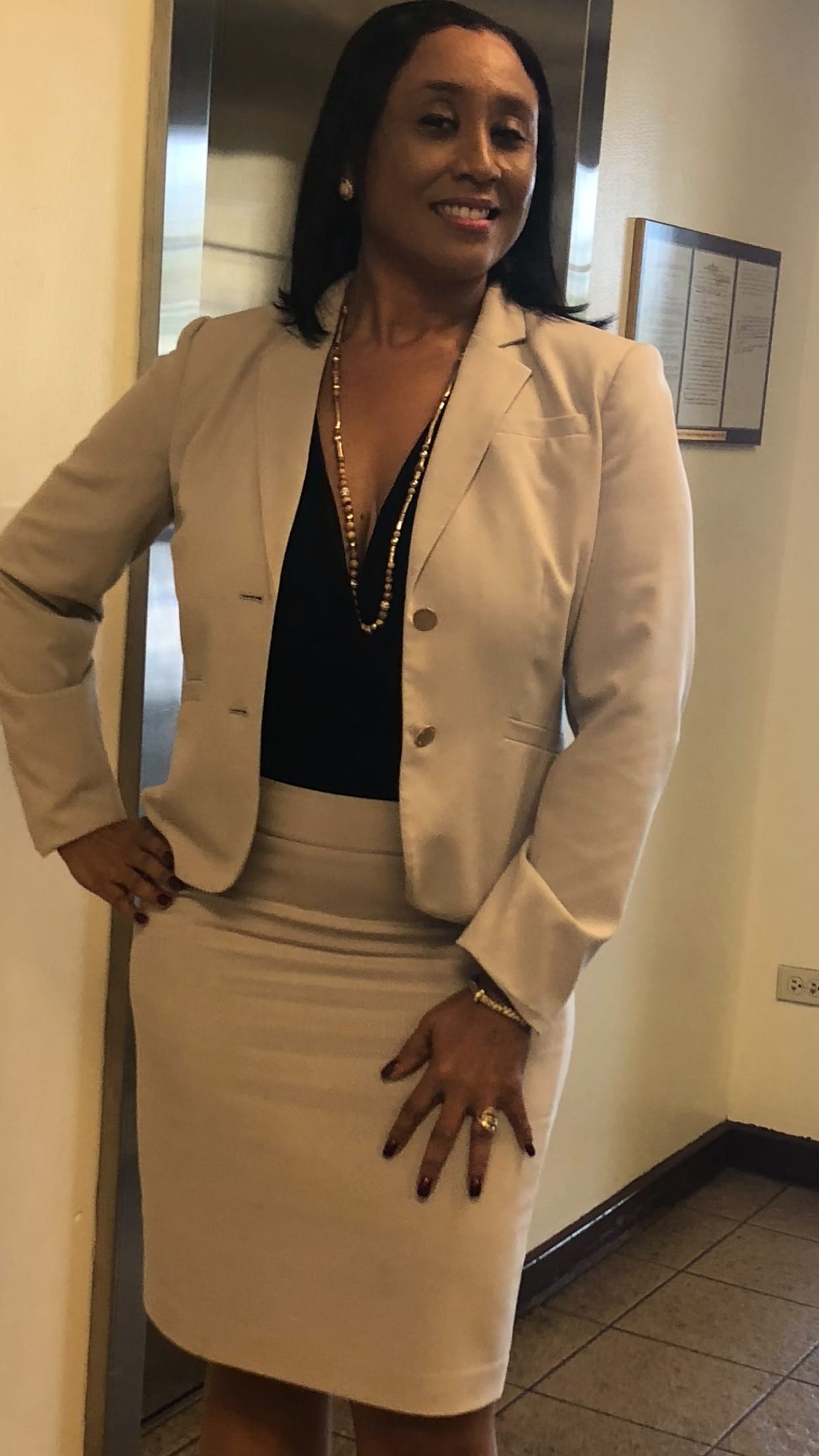
Over her 30 years in the territorial government and operating out of the capital city of Charlotte Amalie, St, Thomas, Aubain has filled nearly every position on the USVI human resources team. She and her colleagues serve a workforce spread across dozens of islands, continuously adopting innovative tools and techniques to ensure government agencies remain fully staffed with top talent. IPMA-HR interviewed Aubain via email, and the response have been lightly edited.
Your current job entails much more than recruiting job candidates and managing the employee classification system. Walk us through some of your primary responsibilities and describe a typical workday.
I started my human resources career at the central personnel office in 1991. Through the years, I progressed from intern to personnel analyst, supervisory personnel analyst, supervisor and territorial administrator. My current position classification is territorial administrator of recruitment & classification, and I’m transitioning to being the chief of talent acquisition.
From the start, I saw the need to prepare myself with HR trainings and professional certifications to stay abreast of changes in the field. I’ve also worked to acquire extensive knowledge and expertise in both management and labor relations.
www.vi.gov
My position as chief talent acquisition officer is unique in nature because it is not a political appointment or part of a bargaining unit. Some of my primary responsibilities are managing the day-to-day operations of the USVI central personnel office with regards to recruitment, retention, talent acquisition management, staffing, classification, strategic leadership, and workforce planning, as well as consulting with HR professionals within more than 26 other agencies.
A typical workday involves briefing staff and preparing action plans to handle requests HR professionals made regarding the challenges and issues they face. I also spend time consulting with HR professionals at various agencies to fan the flames or put out fires on recruitment, staffing and classification matters.
How has talent acquisition changed since you began your HR career? How have you and your team adapted to those changes?
Through the years, we have streamlined our processes by digitizing and automating what had been paper-based and manual procedures. For instance, we typically post job openings for 10 days. Not too long ago, it took at least 40 business days after the posting period closed to complete the process of referring eligible job applicants to agency HR managers for screening and interviews. This was due to the large volume of paperwork and the difficulty of tracking physical forms. Now, we are processing applications online and referring candidates within three business days.
Switching from in-person paper-and-pencil exams to virtual exams proctored remotely has also shortened the time to hire. Candidates receive their scores as soon as they complete exams, and hiring managers no longer wait a couple weeks to view results. As a bonus, testing security and transparency have increased.
On the personnel side, we’ve become more aggressive and data-focused when it comes to recruiting. We do more marketing of vacancies through social media platforms, and we view the USVI government as a global competitor for talent. Our goal is to attract the best job candidates and to retain the most qualified future leaders in our pipeline.
An effort that helped with identifying talented individuals is organizing campaigns with professional organizations throughout the United States to sell the territorial government’s brand as a top employer. That effort also encompassed networking events with participating business and educational associations.
Does your Division of Personnel handle recruiting and hiring for each island? If so, does centralization create challenges to filling certain local positions? How do you and your team meet those challenges?
The Division of Personnel is a centralized agency under the Governor’s Office of the U.S. Virgin Islands. We are responsible for administering recruitment across all territorial government agencies based on plans for meeting current and projected workforce needs.
We have offices located in the districts of St. Thomas/St. John and St. Croix, and we tailor recruitment strategies to both labor market conditions and the number and types of positions that need to be filled. Centralization does not create a challenge because internal or external candidates for vacancies across both districts apply online.
Each open staff and management position is an equal employment opportunity, but we may give preference to local candidates when jobs require specific knowledge of local conditions. Other times, a manager may be based in one district while overseeing the work of employees in both districts. The goal is always to fill positions with the best people to ensure organizational effectiveness.
My team handles challenges by engaging in workforce planning, building strategic partnerships and aligning HR strategies with the missions of the territorial government and individual agencies. Delivering management training, doing consultations and developing tools for talent management are also important. Of course, our operations are governed by personnel rules and regulations, as well as applicable local and federal legislation.
In addition to the Division of Personnel, the USVI government has an Office of Collective Bargaining. How do the agencies work together to meet the needs of employees and the government?
Both agencies work in tandem. Allegations of failures to comply with collective bargaining agreements are handled by bargaining office staff while DOP staff provide subject matter expertise on matters of fairness, equity and transparency. DOP staff also help prepare the HR professionals for individual agencies to succeed in their roles. These arrangements help put out campfires before they grow into forest fires.
You take more than a professional interest in labor relations, having served as president of the United Steel Workers of America local for nearly a decade. How important is unionization and collective bargaining for public sector employees? In your experience, what works to make bargaining productive and collegial for management and union reps?
Unionization and collective bargaining are very important in the public sector. America was built for the middle class, and collective bargaining affords opportunities to secure better wages, upward mobility, health benefits, and safe and healthy living and working conditions.
To make the bargaining productive and collegial, everyone must acknowledge that both management and employees have rights that need to be exercised and voices that must be heard. This means effective communication, mutual respect and forging partnerships are essential. Coming to the table with a people-first mindset and innovative ideas for making a positive difference in people’s lives are also important. After all, the common denominator between government employment and serving as a union rep is providing service.
To conclude with something completely different, you list “arts and culture” as one of your interests on LinkedIn. What has you particularly interested at the moment? Tell us what you think merits our attention.
At the moment my interest range across meditation, gospel and hip-hop music. I’m also enjoying big Broadway musicals like Aladdin and The Lion King.
When I’m in the mood for a movie, I generally turn to military and action. Some of my favorites are Taken, Salt, Jack Ryan: Shadow Recruit and the original Bourne trilogy. If I want to really relax or find artistic inspiration, nothing works better than Renaissance paintings and the works of Claude Monet.
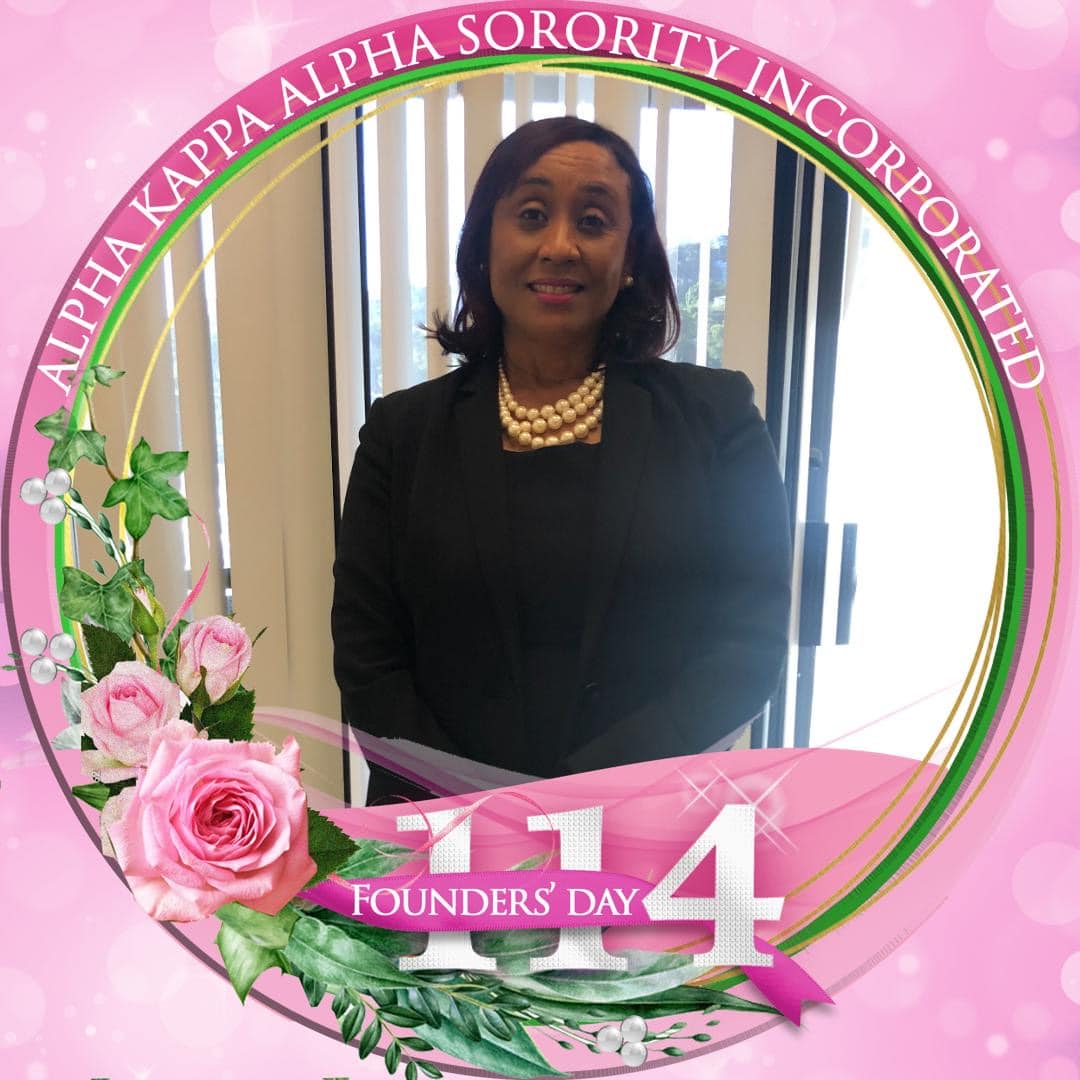
I take in local live theatre regularly, and I especially enjoy spending time with my Alpha Kappa Alpha sorority sisters. —N


