
January 2021

During the presidential transition, Joe Biden announced his nominations for cabinet positions and other crucial policymaking posts. IPMA-HR staff put together the following profiles of the agencies and nominees who will have the greatest impact on the public sector and, in particular, public sector human resources.
Although we are already a few weeks into the new administration, none of the nominees named here had been confirmed at the time this was written. Some personnel changes may have occurred. To see updated information, please keep an eye on the IPMA-HR website and the weekly HR Bulletin e-newsletter.
U.S. Department of Labor (DOL)
DOL’s Mission
To foster, promote, and develop the welfare of the wage earners, job seekers, and retirees of the United States; improve working conditions; advance opportunities for profitable employment; and assure work-related benefits and rights.
DOL secretary nominee
Key Issues
- Administering and enforcing the Fair Labor Standards Act (FLSA) and federal minimum wage, the Family and Medical Leave Act (FMLA) and the Occupational Safety and Health Act (OSHA)
- Managing issues related to labor unions, federal grants and contracts
Public Sector Impact of the DOL’s Work Under Biden
As cosponsor of the original Employee Free Choice Act and a strong supporter of the Protecting the Right to Organize Act (PRO Act), Biden has consistently supported labor unions in the public sector. Nominating Walsh shows labor unions remain a high priority. Walsh is a former union president, and he has significant public sector experience. Before taking his current post as mayor of Boston, Walsh served in the Massachusetts House of Representatives.
Expect to see new regulations on FLSA and overtime, as well as regulations that make it easier for labor unions to organize. Broadly, Biden’s presidential platform stated that he intends to “establish a federal right to union organizing and collective bargaining for all public sector employees, and make it easier for those employees who serve our communities to both join a union and bargain. He will do so by fighting for and signing into law the Public Safety Employer-Employee Cooperation Act and Public Service Freedom to Negotiate Act.”
The president has also stated that he would like to repeal provisions of the Taft-Hartley Act that allow states to impose right-to-work laws.
U.S. Department of Health and Human Services (HHS)
HHS’s Mission
The mission of the U.S. Department of Health and Human Services (HHS) is to enhance the health and well-being of all Americans, by providing for effective health and human services and by fostering sound, sustained advances in the sciences underlying medicine, public health, and social services.
Key Issues
- Administering the Affordable Care Act (ACA) and HIPAA privacy rules
- Overseeing the Food and Drug Administration, the Centers for Disease Control and Prevention (CDC) and the country’s response to the COVID-19 pandemic
Public Sector Impact of the HHS’s Work Under Biden
Becerra served as a member of the U.S. House of Representatives from 1993 to 2017, where he supported passage of the ACA. Upon becoming California’s attorney general, he led efforts to defend the ACA by repeatedly filing lawsuits to block attempts to dismantle the law.
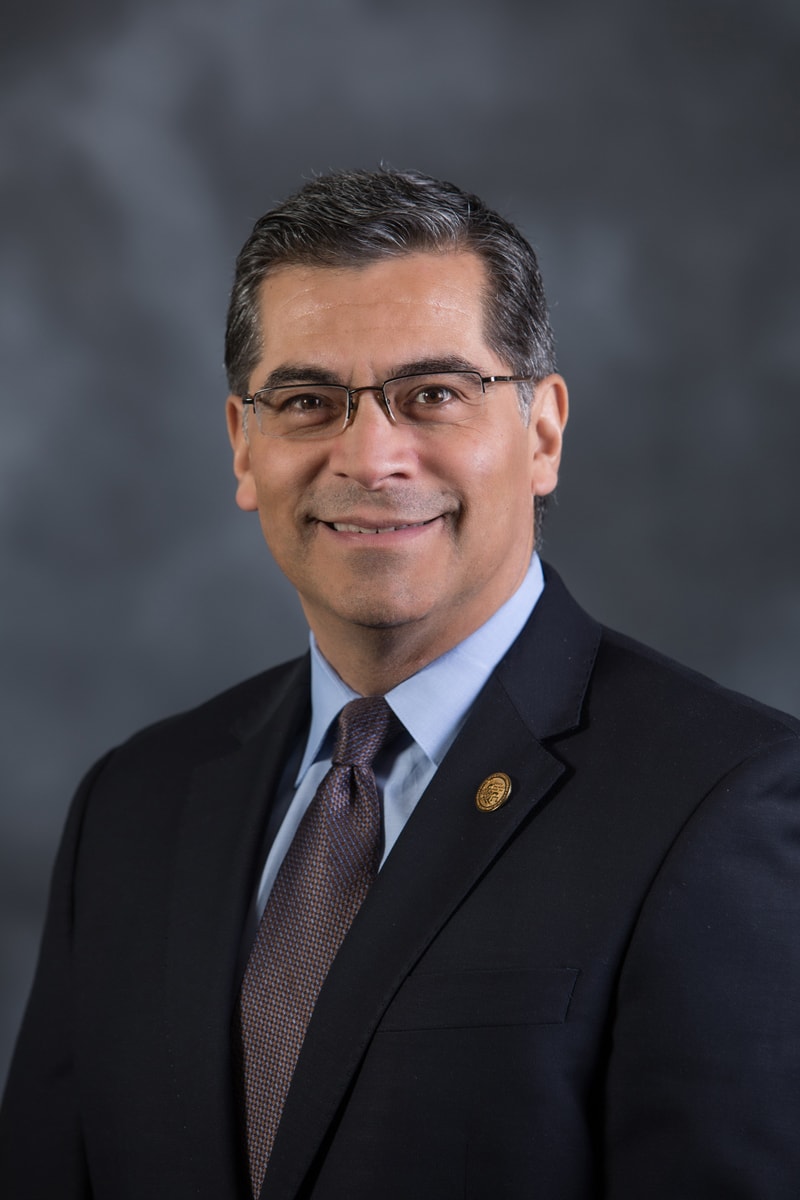
HHS secretary nominee
Biden’s goals for combating the COVID-19 virus are laid out in a plan calling for distributing 100 million vaccine doses during his first 100 days in office and issuing a face mask mandate. States will be working with the federal government on these issues.
Below the secretary level, Dr. Anthony Fauci is serving as the chief medical advisor on COVID-19 to President Biden. Dr. Rochelle Walensky, who had been the chief of Massachusetts General Hospital’s Division of Infectious Diseases and a professor of medicine at Harvard Medical School, is now the CDC director. Walensky did not need to be confirmed by the Senate.
U.S. Office of Management and Budget (OMB)
OMB’s Mission
To assist the president in meeting his policy, budget, management and regulatory objectives and to fulfill the agency’s statutory responsibilities.

OMB director nominee
Key Issues
- Reviewing all proposed federal regulations and serving as the lead agency for developing and executing the federal budget
- Providing management across the executive branch by overseeing agency performance, human capital, federal procurement, financial management and information technology
- Coordinating legislative efforts and clearing executive orders and presidential memoranda
Public Sector Impact of the OMB’s Work Under Biden
OMB director is a key role in any administration because the office produces the president’s budget proposals and steers them through Congress to secure funding to enact the president’s policy agenda. In nominating Tanden, the president cited her experience as “a leading architect and advocate of policies designed to support working families, foster broad-based economic growth, and curb inequality throughout her career.” She was most recently the president and CEO of the Center for American Progress, which is an independent progressive policy institute. Expect to see some of the previous administration’s executive orders on climate change and immigration reversed.
An Ambitious Agenda for the First 100 Days
Key positions impacting the public sector remained unfilled through January. For instance, the Office of Personnel Management had no director nominee. Biden’s choice will be important because he has stated his belief that the federal government should be a role model for all other employers and he plans to “reinstate and expand protections for federal employees.”
As the president moves through his first 100 days, Biden plans to have administration officials focus on
- Enacting the American Rescue Plan, a comprehensive package of legislative proposals that would provide immediate pandemic relief to support struggling communities. Requested legislation includes reimbursing state and local governments for the cost of granting employees emergency paid leave, expanding such leave to federal workers and funding the work of first responders and essential workers.
- Distributing 100 million doses of COVID-19 vaccine through a national vaccination program.
- Pushing to safely reopen schools by expanding testing, funding rapid tests and supporting the implementation of regular school testing protocols.
- Creating a cabinet-level working group to promote union organizing and collective bargaining in the public and private sectors.
- Securing passage of the Equality Act, which would prohibit discrimination based on sex, sexual orientation and gender identity, and then having cabinet officers enforce the act across all federal departments and agencies.
- Creating a task force charged with asking mayors and other elected officials for detailed ideas on making housing more available for everyone in their communities
- .
With Democrats in control of the U.S. House and U.S. Senate, albeit by slim margins, Biden will have the chance to move legislation on his key priorities. Stay updated with IPMA-HR as we monitor new legislation and regulations, as well as the evolution of administration priorities. —N


