
April 2023
AFGE Says Raising Debt Ceiling Would Bring “Egregious Harm” to Federal Agencies
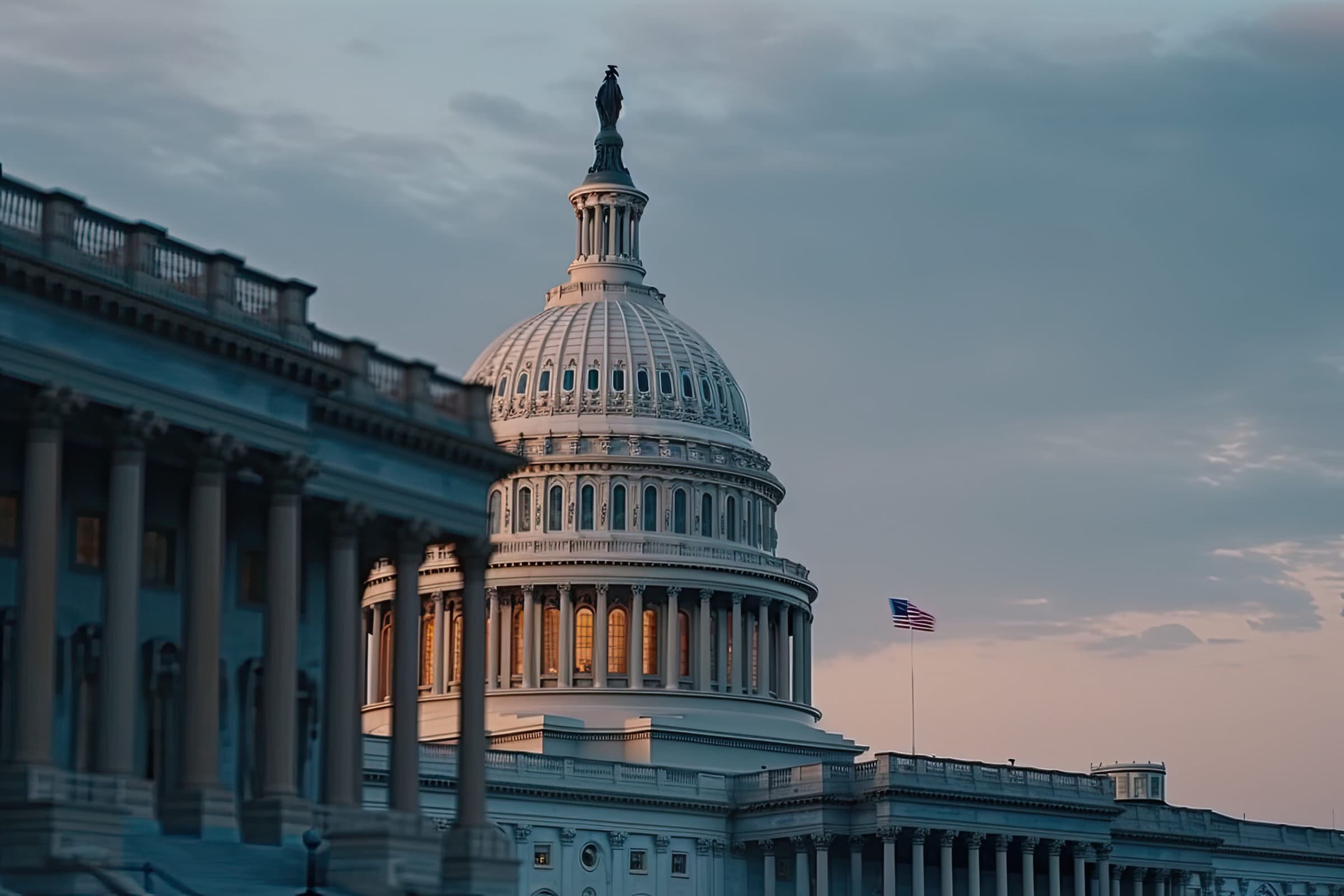
Once again, there is consternation on Capitol Hill over what to do about the debt ceiling.
House Republicans have proposed lifting the debt ceiling by $1.5 trillion while cutting federal spending by as much as $130 billion.
In response, President Joe Biden has rebuked House Speaker Kevin McCarthy for “flirting with defaulting on the national debt,” while some Democrats have begun to question the president’s reluctance to come to the negotiating table with McCarthy and other Republicans.
In the midst of this political brinksmanship, the American Federation of Government Employees (AFGE) has weighed in with its own plea for lawmakers to oppose the Republican proposal to raise the debt ceiling.
In a letter to every House member, America’s largest union of federal workers voiced its opposition to the “Limit, Save, Grow Act of 2023,” which would raise the federal debt ceiling while causing “egregious harm” to public agencies and those they serve, according to AFGE.
“As career federal workers, our members recognize the importance of responsible fiscal management,” wrote Julie Tippens, AFGE legislative director. “Our members support prudent budgetary and tax policies to ensure that the federal government can continue to meet public needs in the future.”
At the same time, Tippens urged House members to “recognize that the government’s recent large deficits primarily result from large-scale COVID-19 relief programs that were designed to shore up the private sector economy and were enacted without tax increases to defray their costs.”
Deficits, she wrote, are not a result of growth in federal agencies or employment, adding that “federal workers have continued to maintain public safety and provide public service throughout the pandemic, even as their wages have lagged behind inflation and continued to trail the private sector.”
Facing Substantial Cuts
As Tippens noted in the April 19 letter, several federal agencies have recently communicated with the House Appropriations Committee, pointing to the “irreparable harm” that would stem from adopting a budget plan that scales discretionary spending back to fiscal year 2022 levels without accounting for recent inflation and the growth of the military veteran budgets.
A handful of agencies would see particularly adverse effects, Tippens wrote.
The Social Security Administration, for example, has reported it would need to close field offices and reduce opening hours while increasing wait times for disability decisions “by a whopping 30%,” she said.
The USDA forecasts $250 million in cuts to the Food Safety and Inspection Service, “whose inspectors work tirelessly inside factories to prevent foodborne illness,” wrote Tippens. In addition, the Department of Transportation anticipates cuts that would bring funding for the Federal Railroad Administration to its lowest level since 2015.
These reductions would force the agency to shed at least 175 workers, including more than 75 railroad safety inspectors, “all at a time when the public in Ohio and across the country is rightfully demanding more rail safety, not less,” according to Tippens’ letter.
“These are but a few examples of the myriad harms to the American public that would predictably follow the misnamed “Limit, Save, Grow Act,” Tippens concluded. “AFGE urges you to oppose this bill and to support an immediate increase in the debt ceiling to avoid a default, and then to engage in a necessary bipartisan discussion of future budgetary policy.”
24 April 2023
Category
HR News Article


