
February 2025
Utah Bill Would Prohibit State’s Public Sector Unions from Collective Bargaining
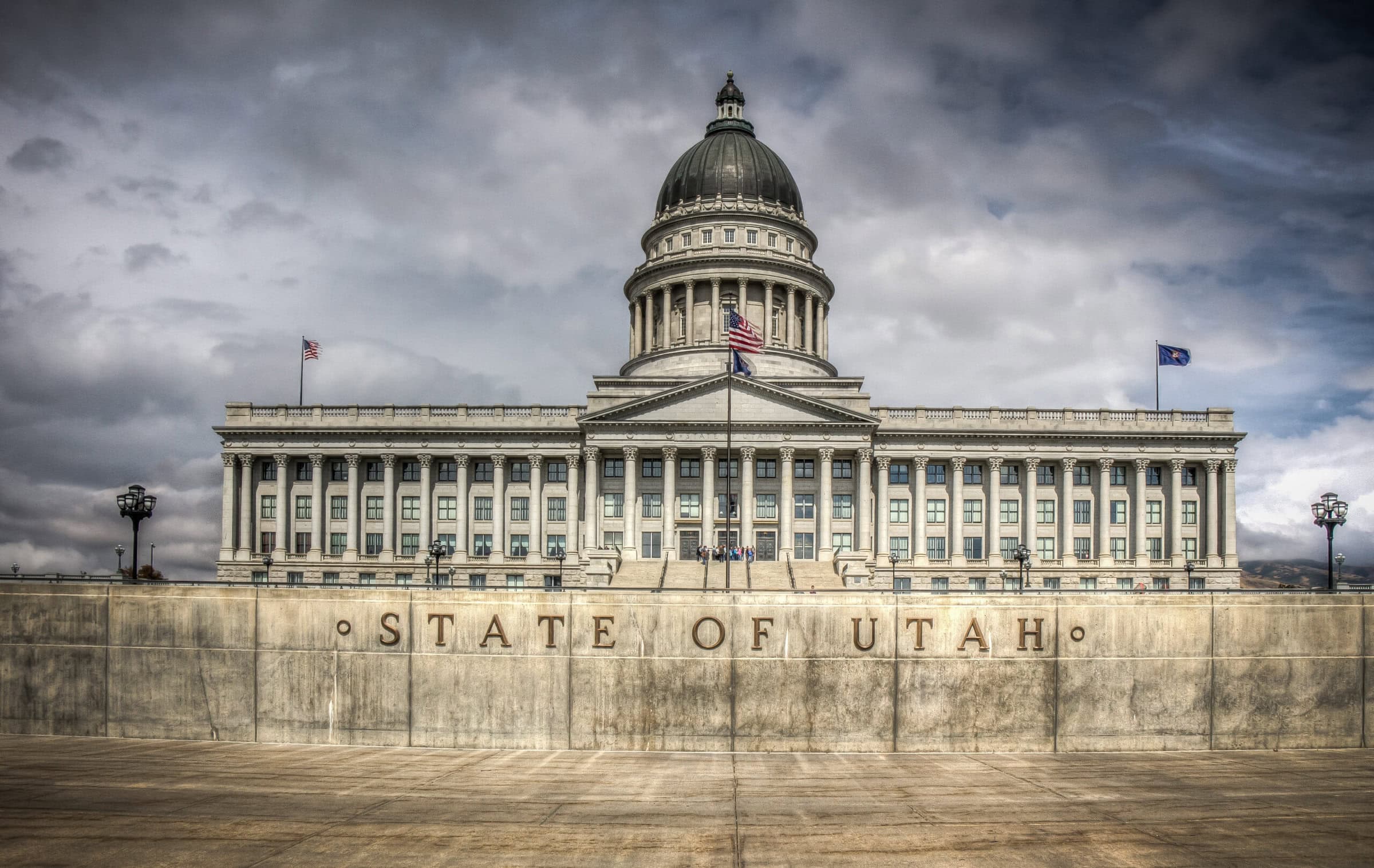
Legislation that would block Utah public sector unions from collective bargaining has overcome opposition from both sides of the aisle to pass the state’s House of Representatives.
The bill passed the Utah House on Monday, Jan. 27, after “thousands of emails, calls and text messages flooded Utah lawmakers’ inboxes over the weekend” voicing objections to the measure, which would eliminate for collective bargaining for the state’s public sector employees, including teachers, firefighters and police officers, the Salt Lake Tribune reported.
“Lawmakers on both sides of the aisle acknowledged the barrage of messages during a House hearing on the bill,” the paper’s Carmen Nesbitt wrote, adding that the legislation passed the House in a 42-32 vote and is on its way to the Senate Business and Labor Committee.
“Many of our legislators are just not listening to their constituents,” said Renée Pinkney, president of the Utah Education Association, the state’s largest teachers union, in a statement.
Sponsored by Utah State Representative Jordan D. Teuscher, the bill includes a provision that prohibits Utah public employers from recognizing a labor organization as a bargaining agent for public employees.
In addition, the legislation would also forbid public employers from entering into collective bargaining contracts, prohibit the use of public money or public property to assist, promote or deter union organizing or administration, and exclude new labor organization employees from participating in Utah Retirement Systems.
The Utah House Democratic Caucus was among those expressing dismay with the bill’s advancement to the Senate.
“We are disappointed that [HB267] was passed on the House floor despite bipartisan opposition and widespread criticism from constituents,” a statement from the Caucus read. “This legislation directly contradicts Utah’s commitment to supporting our education professionals, public safety officers, and public service employees.”
Douglas Welton, a Republican colleague of Teuscher’s and a teacher in Utah’s Nebo School District, shared similar concerns.
“As the only active teacher in this body, this is a very meaningful and difficult discussion for me to speak to,” Welton said during the hearing. “I am still unsure that this really answers one of the core issues that we have, is that all teachers are being represented. … Overwhelmingly, my constituents are opposed to this bill.”
Despite such criticisms, bill sponsor Teuscher maintained that the measure “doesn’t stop unions from advocating for their members but instead ensures more voices are included in the process,” the Salt Lake Tribune’s Nesbitt wrote.
“In a lot of our government agencies that do collective bargaining today, that voice is made up by a far minority of the employment base across the board,” Teuscher said during the hearing. “There are literally thousands of voices across our state that just don’t get heard as part of that negotiation process.”
14 February 2025
Category
HR News Article


